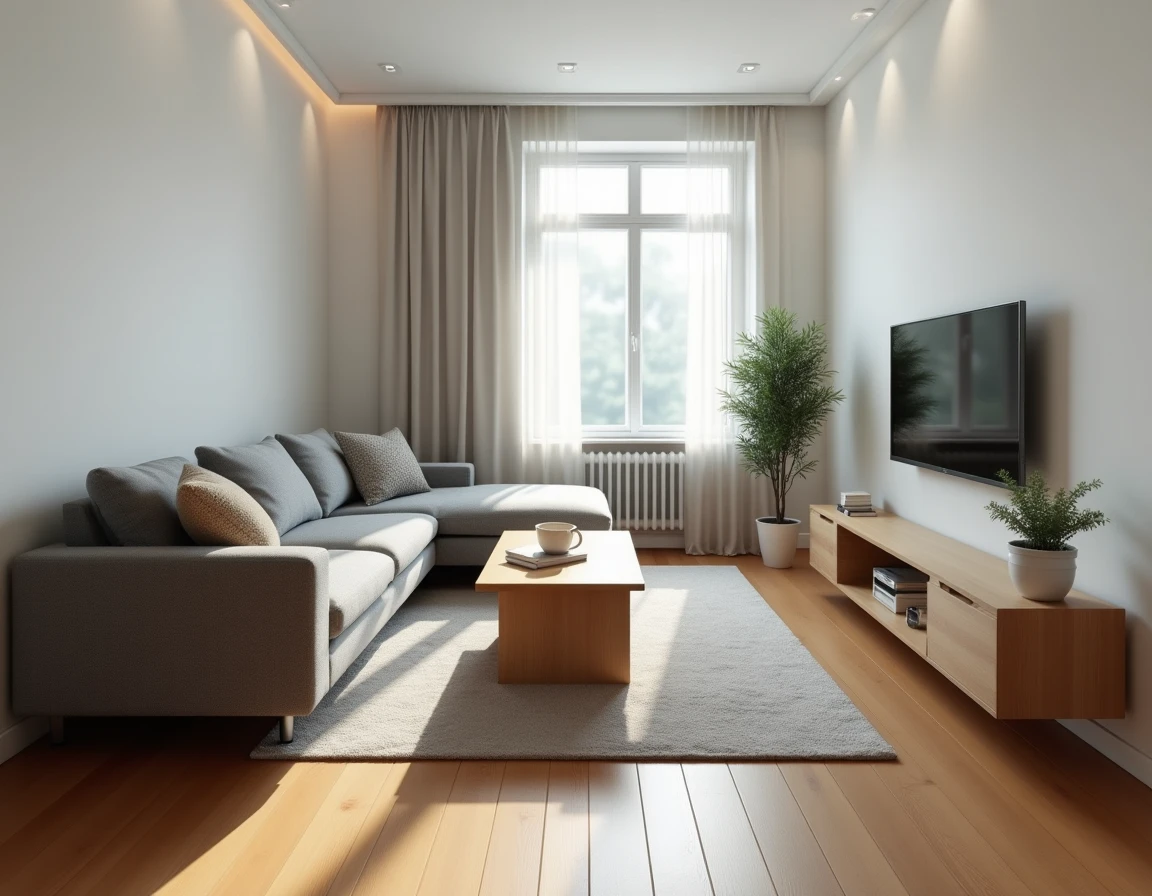
A comfortable home is not just a list of furniture. The difference between a functional space and one where you feel good lies in specific technical choices regarding thermal comfort, air quality, workplace ergonomics, and the durability of everyday equipment. Here, we detail the areas that deserve real consideration beyond the obvious.
Thermal performance of equipment: the area that standard lists underestimate
Heating and air conditioning appear on all equipment lists. Checking the box is not enough. A programmable thermostat radically changes the comfort felt compared to a simple dial convector, for a modest difference in purchase cost.
We recommend prioritizing inertia radiators (ceramic or cast iron) over entry-level radiant panels. Their temperature rise is slower, but the heat remains uniform and consumption decreases significantly over a cycle of several hours.
In summer, a DC ceiling fan consumes very little and circulates air without the noise of a portable air conditioner. For homes facing south, thermal blackout curtains significantly reduce indoor temperature without any electrical consumption. These are low-cost items that heavily influence the perception of comfort.
As detailed in the list of essential equipment on Capitaine Immo, structuring purchases around functional categories (thermal, kitchen, hygiene, connectivity) helps avoid omissions and duplicates.
Remote work space: desk, chair, and connection as comfort equipment
A desk and an ergonomic work chair have become essential comfort equipment, not just options reserved for “business” rentals. Since the rise of hybrid work, an increasing number of tenants view the absence of a proper workstation as a flaw in the housing.
The functional minimum is not limited to “a table and a chair.” Here’s what makes the difference:
- A work surface at least 100 cm wide, stable, at standard height (about 74 cm), positioned near an electrical outlet and a source of natural light.
- A chair with adjustable lumbar support and padded seating. Kitchen chairs are not suitable for extended work sessions.
- An adjustable desk lamp with neutral color temperature, which prevents eye strain at the end of the day.
- A wired or Wi-Fi internet connection on a recent box, with sufficient download speed for video conferencing without interruptions. A Wi-Fi repeater in the workspace eliminates dead zones.
Providing these four elements places a home above the majority of the market, where “internet connection” still often means a Wi-Fi password scribbled on a post-it.
Indoor air quality and ventilation: a neglected technical angle
Controlled mechanical ventilation (VMC) is a regulatory requirement in new homes in France, but many older homes lack it or operate with clogged extraction vents. A poorly maintained VMC degrades air quality as much as the absence of a VMC.
In an existing home, two low-cost actions can improve the situation. The first: check and clean the extraction vents (kitchen, bathroom, toilet) at least once a year. The second: install hygroscopic air inlets on the windows of dry rooms, which modulate the flow according to ambient humidity.
For homes without VMC, a timed extractor fan in the bathroom limits condensation and mold. The installation cost remains low, and the impact on daily comfort is immediate.
Bedding, dishes, and appliances: prioritize quality over quantity
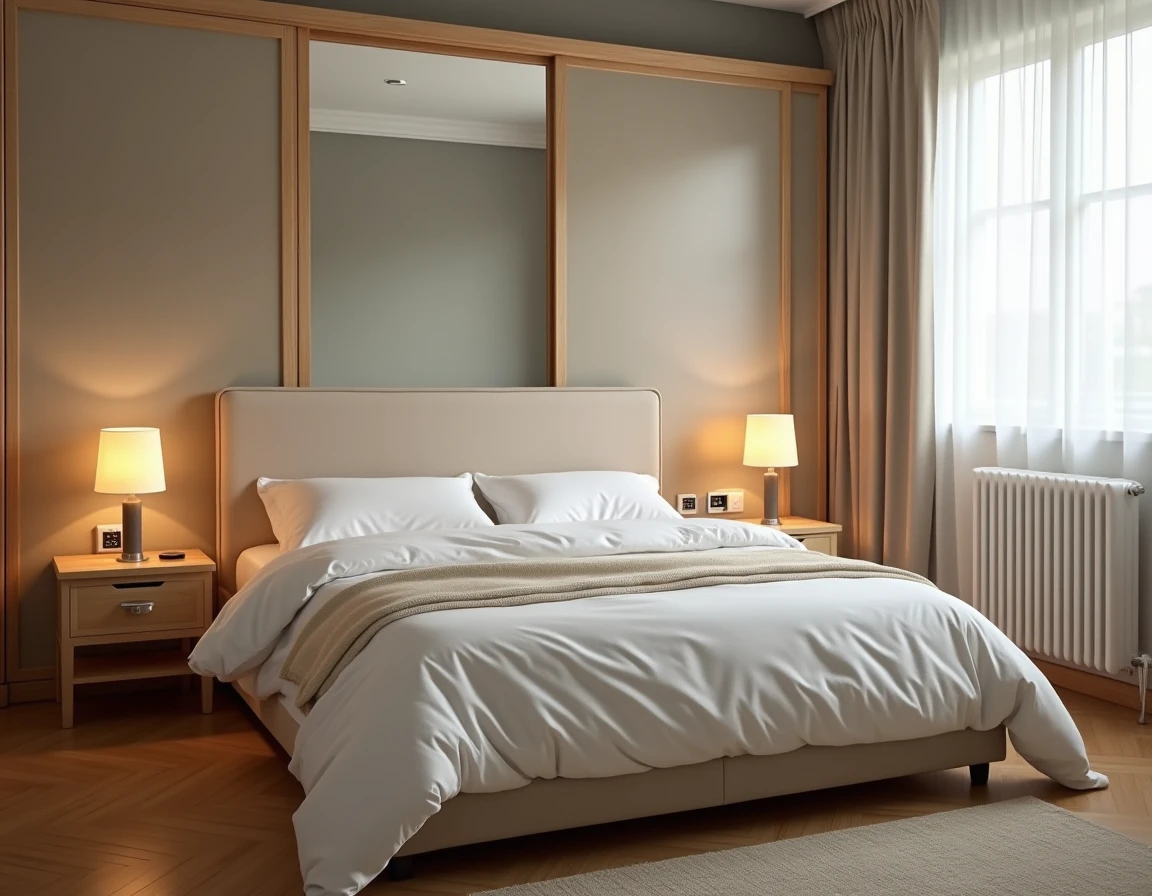
We often observe the same mistake: multiplying low-cost kitchen or bathroom equipment instead of focusing the budget on high-impact items. A mid-range mattress with a decent topper is better than a high-end mattress placed on a sagging box spring. The mattress-box spring combination determines sleep quality much more than the bed linen.
In the kitchen, three appliances are enough to cover almost all uses:
- A refrigerator-freezer with a capacity suitable for the number of occupants, with a recent energy rating to limit consumption.
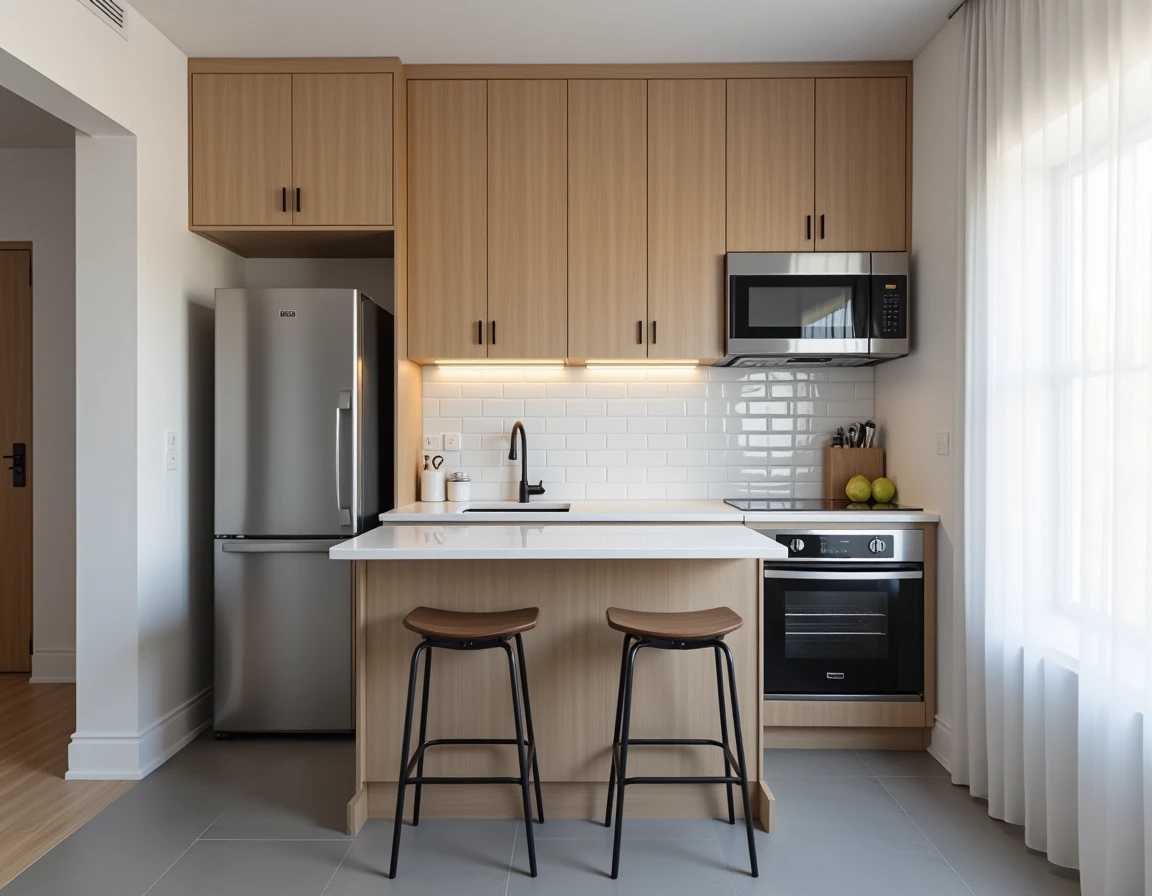
- A combined microwave oven (grill + convection), which replaces a traditional oven and separate microwave in small spaces.
- An electric kettle, the most frequently used appliance daily and often forgotten in equipment lists.
For dishes, plan a complete set for the maximum number of occupants, plus two extra place settings. A mismatched or incomplete set gives an impression of carelessness disproportionate to its replacement cost.
Bathroom: the details that matter
A showerhead with adjustable flow, a properly lit mirror, and an electric towel warmer make up the functional trio of a comfortable bathroom. The towel warmer serves a dual purpose: it heats the room in winter and dries the towels, reducing ambient humidity.
The lighting in the bathroom deserves special attention. A single ceiling light creates shadows on the face in front of the mirror. Adding a wall sconce on each side of the mirror solves the problem for a modest investment.
The comfort of a home relies less on the number of amenities than on the coherence between technical aspects: thermal regulation, ventilation, furniture ergonomics, bedding quality, and appropriate lighting for each room. Focusing the budget on these areas produces a noticeable result from the first hours of occupancy.