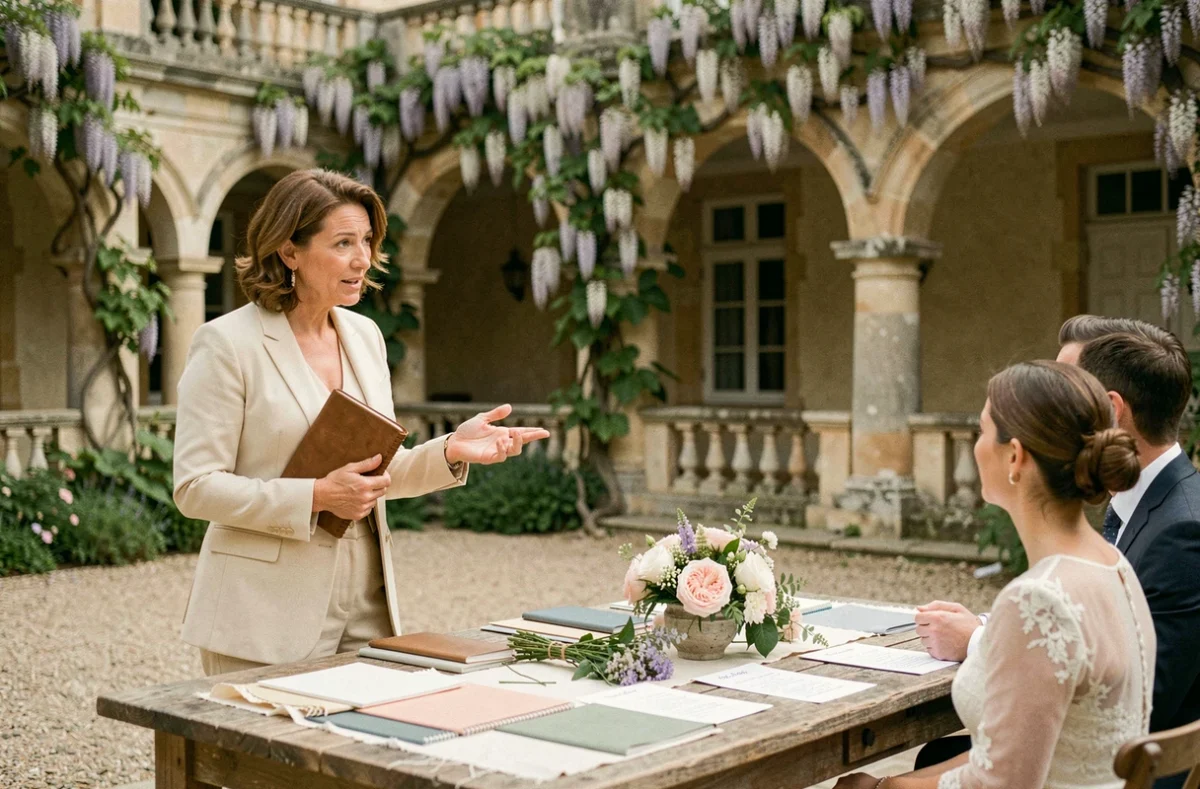
A couple hosting three generations over a weekend, with a gluten-intolerant grandmother, a vegan cousin, a secular ceremony on Saturday, and a Sunday brunch, faces a concrete problem: custom solutions, when not properly structured, generate more stress than a traditional wedding. Organizing an unforgettable wedding through tailored services requires establishing a method before selecting providers.
Multi-day wedding: coordinating packages without multiplying contacts
The trend of weddings spread over two or three days (welcome the day before, main reception, brunch the next day) necessitates rethinking food logistics. Caterers now offer several coordinated packages over the same weekend, which avoids juggling between three different companies.
On the ground, the most common pitfall is treating each day as a separate event. You end up with one provider for the Friday night barbecue, another for the seated meal on Saturday, and a third for the brunch. Three contracts, three deliveries, three teams to welcome at the same venue.
The most reliable solution remains to choose a caterer capable of covering the entire weekend with a single point of contact. You negotiate a global package, simplify coordination with the reception venue, and reduce the risks of inconsistencies (mismatched tableware, duplicate equipment, overlapping delivery slots).
To structure this search in advance, La Mariée Rêveuse’s wedding services allow filtering for providers capable of managing this type of multi-day format.
Food and cultural constraints: a specification document, not a list of diets
Managing different dietary needs (vegan, gluten-free, halal, kosher) is not just about adding lines to a menu. The presence of vegan caterers at specialized fairs confirms that plant-based diets are integrated into wedding offerings, no longer treated as a last-minute exception.
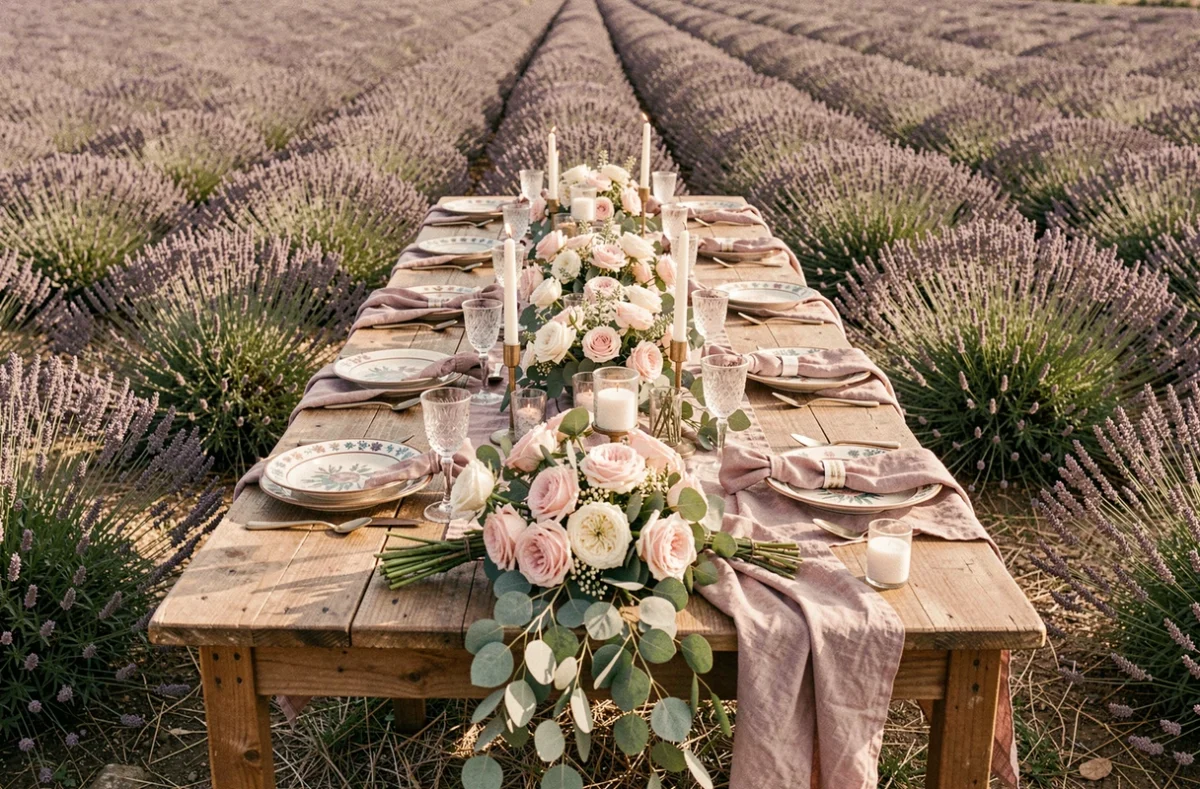
The problem arises when managing constraints guest by guest. You end up with seven variations of the main dish and a caterer who charges for each adaptation as a separate menu.
The effective approach is to draft a unique food specification document before contacting any caterer. It should list:
- Non-negotiable diets (medical allergies, strict religious prescriptions), which must be guaranteed without risk of cross-contamination
- Strong preferences (veganism, vegetarianism) that can be satisfied by a common menu designed from the start around plant-based options, with protein options as supplements
- Cultural sensitivities related to service (alcohol visible or not on certain tables, order of dishes, timing of the cake in relation to any prayers)
A menu designed around the lowest common denominator costs less than a multiplication of variations. A refined plant-based main dish offered to everyone, with a meat or fish option available, simplifies kitchen production and reduces waste.
Custom providers for weddings: what truly deserves personalization
Customization comes at a cost. Personalizing everything (engraved invitations, hand-forged wedding bands, unique floral scenography) can consume a budget without guests noticing the difference in each item.
Trade shows report the rise of jewelry created from sketches and workshops for making wedding bands by the couples themselves. This type of participatory service leaves a lasting impression because it involves the couple in the creation, not just in the selection.
On the other hand, some items do not justify a custom investment. Stationery, for example, can be semi-customized (existing model adapted to the wedding colors) without anyone noticing that it is not an original creation.
To make decisions, items can be classified into three categories:
- What the couple experiences directly (wedding bands, attire, custom secular ceremony): personalization has a strong emotional impact
- What the guests experience (meals, music, entertainment): customization is justified if it creates a collective experience, not just a decorative detail
- What everyone sees without thinking (signage, seating plan, printed menu): semi-customization is sufficient in most cases
Multi-generational wedding organization: managing comfort without infantilizing
Hosting 85-year-old grandparents and 3-year-old children over the same weekend raises practical questions that classic guides rarely address. The issue is not to “plan activities for the children,” but to organize traffic flows and compatible rhythms.
A four-hour seated meal suits a table of adults. For young children and elderly guests, fatigue becomes a significant organizational factor. Planning a quiet space accessible without crossing the dance floor, with comfortable seating and proper lighting, significantly enhances the experience for the most vulnerable guests.
Regarding timing, feedback varies on this point, but shifting the main meal (starting at 7 PM instead of 9 PM) allows older guests to enjoy dinner before leaving, and younger guests to kick off the dancing without feeling like it’s a “second service.”
The brunch format the next day makes perfect sense here: it offers generations who left the party early a relaxed reunion moment, without the noise pressure or fatigue from the night before. Current intimate weddings, with a reduced number of guests to maintain the quality of services, facilitate this type of consideration.
Organizing a truly functional custom wedding means accepting that every choice of personalization must solve a concrete problem, not just check an aesthetic box. The unique caterer for the weekend, the menu designed around common constraints, the schedules adapted to the present generations: these operational decisions transform an ambitious wedding into a well-managed one.