
The Zimbra messaging system of the CHU de Reims is a daily working tool for hospital staff. Changing your password from home raises practical questions: which URL to use, how to avoid session errors, and what network precautions to take to avoid exposing your credentials. The topic seems simple, but several points deserve special attention.
“Authentication Required” Error on Zimbra: Diagnosis Before Any Changes
Before even attempting a password change, a common blockage needs to be identified. The message “service.AUTH_REQUIRED” displayed by the Zimbra interface does not always mean that the password is incorrect. This code often corresponds to an expired session or an incorrect URL in the browser’s address bar.
This detail is rarely mentioned in generic guides. An agent who receives this message after a period of inactivity does not need to reset their password: they simply need to close the tab, reopen the webmail from the correct address, and log in again.
Confusing session expiration with an invalid password leads to repeated attempts that can temporarily lock the account. The reflex to adopt is to first check the URL and clear the browser cache before concluding that there is a credentials problem. To better understand how to change the Zimbra password for CHU Reims without making a mistake, distinguishing between session error and authentication error remains essential.
Remote Access to CHU Reims Webmail: The URL and Network Matter as Much as the Password
Remote access goes through the portal mail.chu-reims.fr, which is the official entry point. Using another address, an old favorite, or a link found in a search engine exposes you to phishing pages that mimic the Zimbra interface to capture credentials.
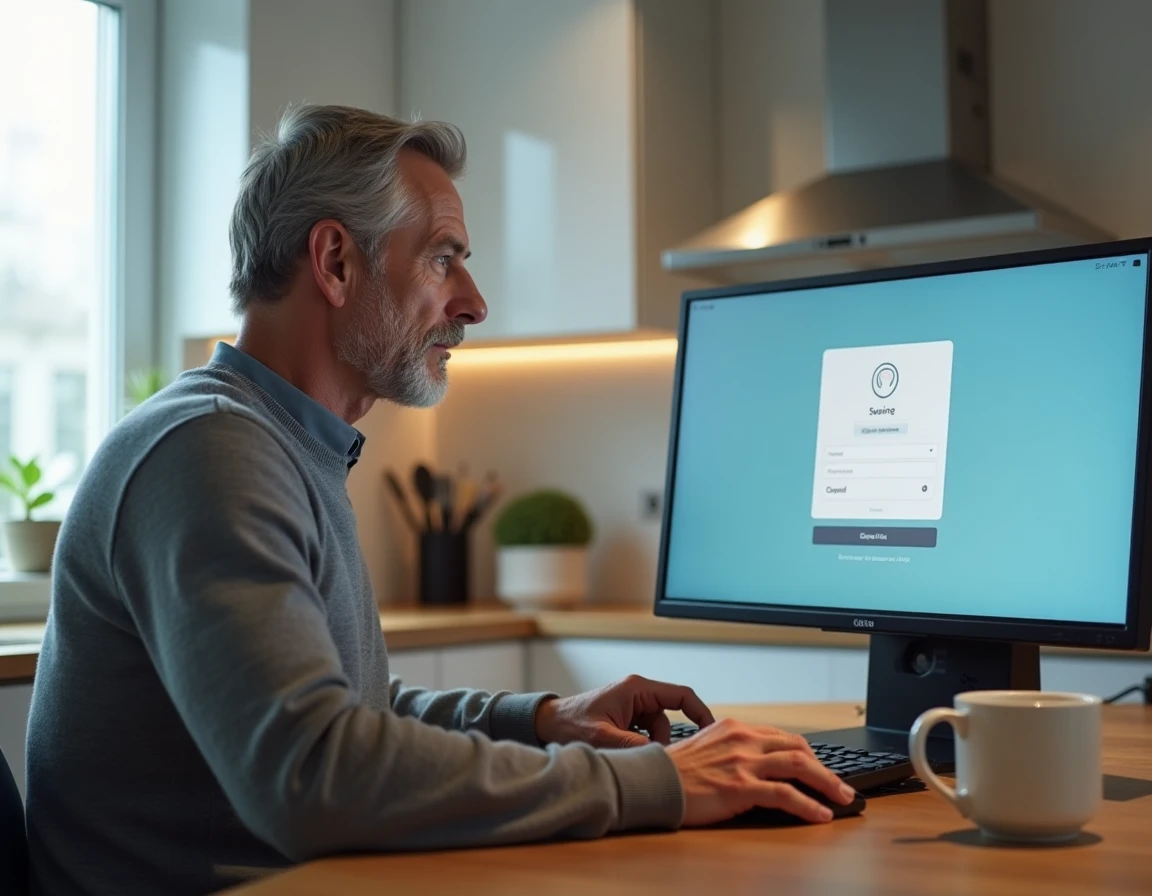
The security of changing the password does not solely depend on the strength of the new password chosen. The network from which the operation is performed plays a crucial role. Several recommendations are frequently mentioned in specialized content:
- Prefer a protected home Wi-Fi connection using WPA2 or WPA3, never a public network (train station, hotel, café)
- Do not check the “stay connected” option on a shared computer or a device that does not exclusively belong to the agent
- Check for the HTTPS padlock in the address bar before entering any credentials
- Log out of Zimbra after each use, even on a personal device
These precautions fall under what is called connection hygiene. A complex password loses all utility if entered on an open network where traffic can be intercepted.
Procedure for Changing the Zimbra Password from the Preferences Tab
Once logged into the webmail via the official URL, the change is made from the “Preferences” tab of the Zimbra interface. The password change option is usually found in the general or security section, depending on the version deployed by the institution.
The procedure requires entering the old password, then entering the new one twice. The new password must be sufficiently long and mix letters, numbers, and special characters. Current security recommendations favor passphrases (five to six words linked with some special characters) rather than short, complex combinations that are harder to remember.

One point to keep in mind: after modification, all devices synchronized via IMAP, SMTP, or ActiveSync will require the new password. Smartphone, email client on computer, tablet: each device configured to receive emails from the CHU will need to be updated manually. Forgetting this step generates login attempts with the old password, which can trigger an account lock.
Forgotten Password or Locked Account: The CHU IT Department as the Only Recourse
Generic Zimbra guides sometimes suggest reset procedures via an administration panel. This option is not accessible to agents of the CHU de Reims. The CHU IT Department is the only authorized contact to reset a password in case of loss or lockout.
This centralized operation responds to a logic of hospital security. The data that passes through the messaging system of a healthcare institution is sensitive. Allowing self-service reset via a simple backup email would create an exploitable vulnerability.
In practice, if the initial password has expired or if the account is locked after several unsuccessful attempts, the procedure is to directly contact the IT service of the CHU. No automated recovery procedure is offered to end users. This framework may seem restrictive, but it ensures that a third party cannot take control of a hospital email account through social engineering.
Security Certificates and Zimbra Server Verification
A technical aspect often overlooked concerns the SSL/TLS certificates of the email server. When an agent connects from home, the browser automatically checks the validity of the certificate presented by the server.
A certificate warning (page “your connection is not private”) should never be ignored. It may indicate an interception attack or simply an expired certificate on the server side. In either case, entering your password on a page displaying a certificate warning is to be avoided.
If this warning appears on mail.chu-reims.fr, the proper reaction is not to proceed and to report the issue to the IT Department. Field feedback varies on the frequency of this type of incident, but its potential severity justifies systematic vigilance.
Changing your Zimbra password from home remains an accessible operation, provided you follow a few basic rules: check the URL, secure your home network, and update all synchronized devices after the change. Contacting the CHU de Reims IT Department remains the safety net in case of lockout, and this centralized operation is an integral part of the institution’s security policy.